A Cultural and Natural Retreat
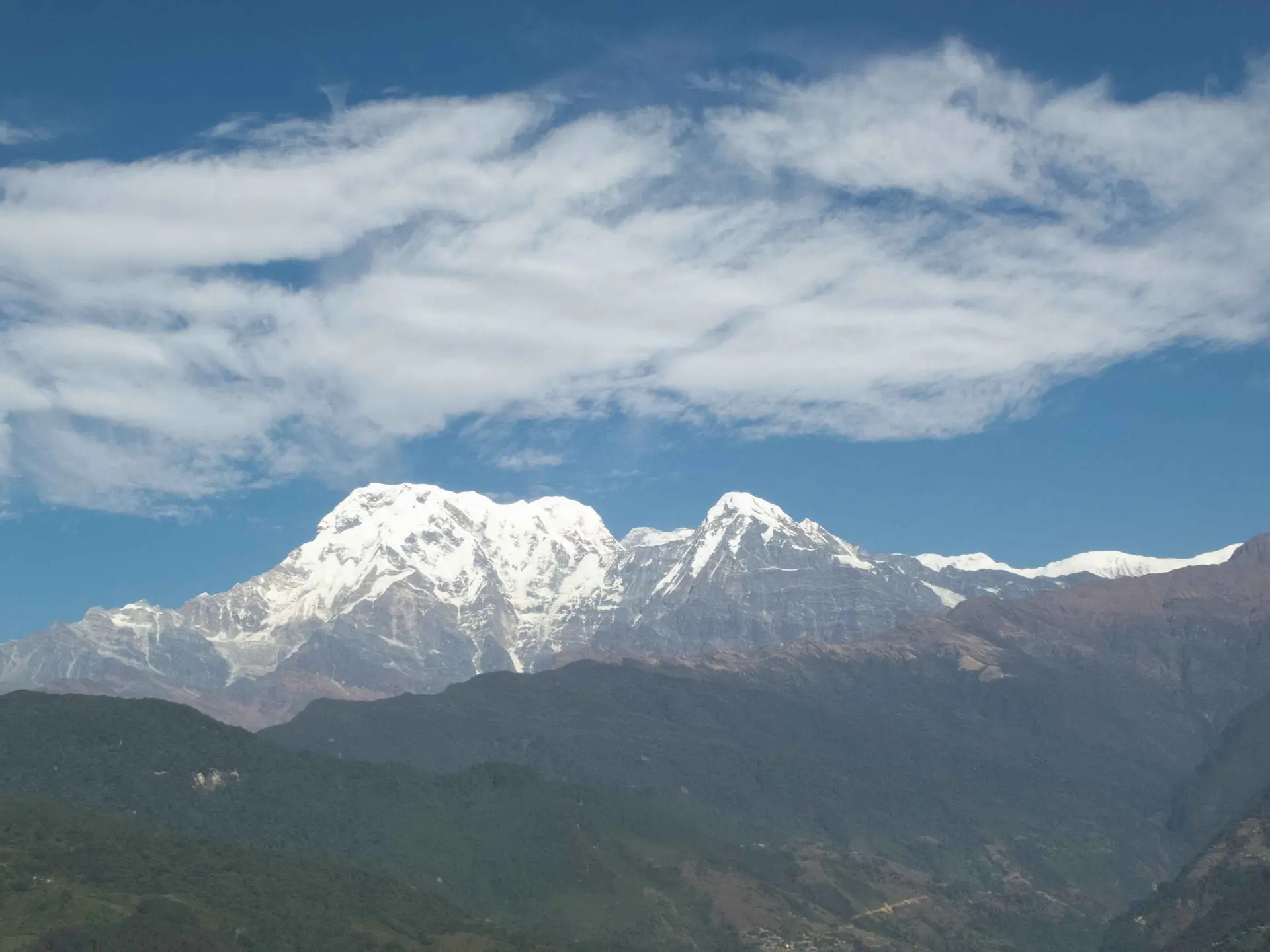
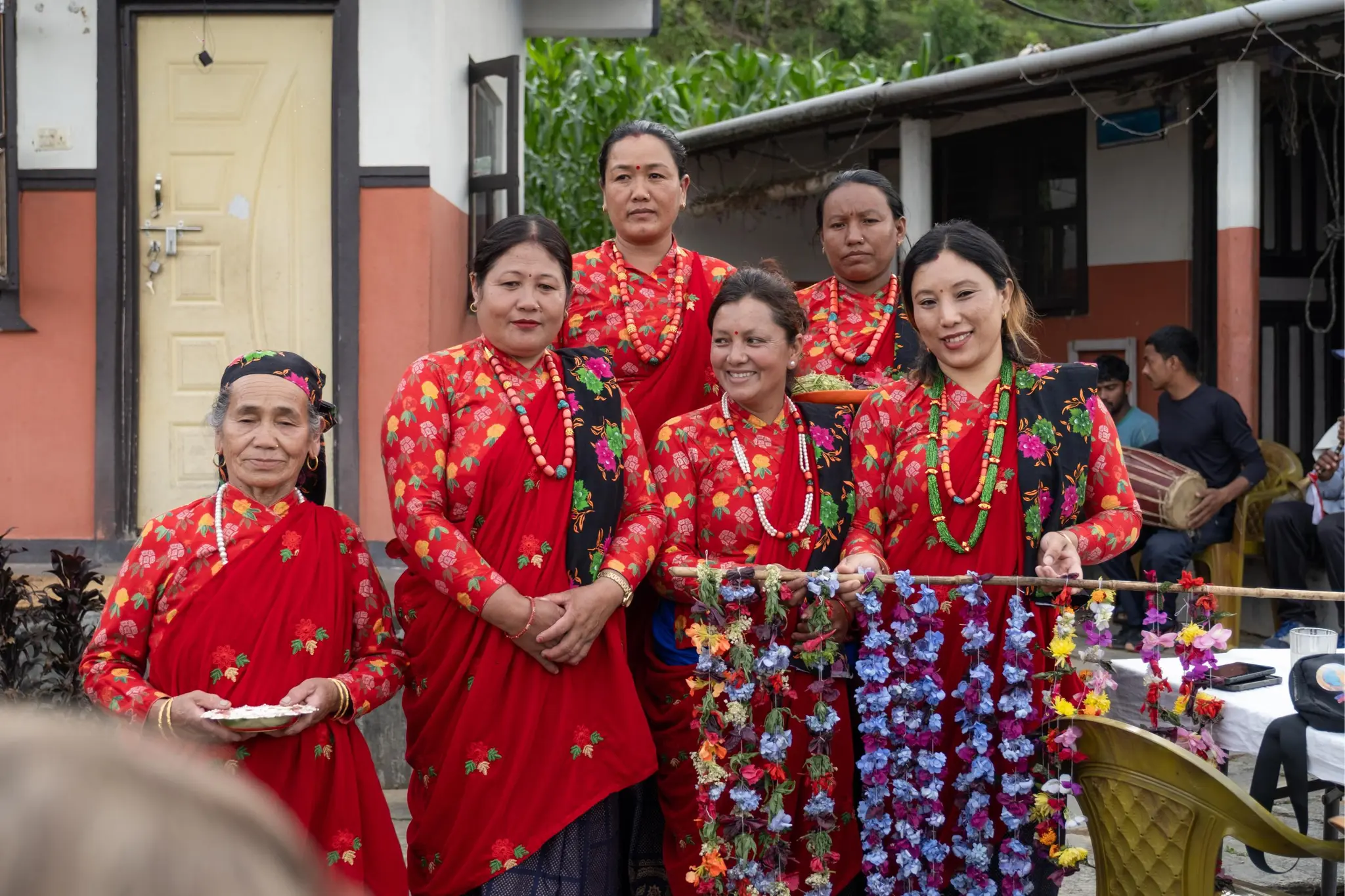
Just 45 minutes from the bustling lakeside city of Pokhara, Hemjakot feels like a world away. This tranquil Gurung village offers sweeping views of the Annapurna range, with Mt. Machhapuchhre standing tall in the horizon. Unlike busier destinations, Hemjakot is quiet and unhurried, a place where the rhythms of mountain life still guide each day. With migration emptying much of the village in recent years, the spirit of a few determined community members has kept it alive—embracing tourism as a beacon of hope to revive Hemjakot through cultural preservation and sustainable livelihoods.
Where is Hemjakot?
At 1,500 meters (4,921 feet) above sea level, Hemjakot sits amidst terraced fields, forested hillsides, and grazing pastures. Despite its proximity - just 45 minutes from Pokhara - it feels worlds away, maintaining its quiet authenticity far from the crowds of popular trekking routes. The climate is mild and pleasant, with average summer temperatures ranging between 15–25°C and cooler winters between 5–12°C. The best time to visit is during spring (March–May) and autumn (September–November), when skies are clear, temperatures comfortable, and the Annapurna range at its most spectacular.
Accommodation
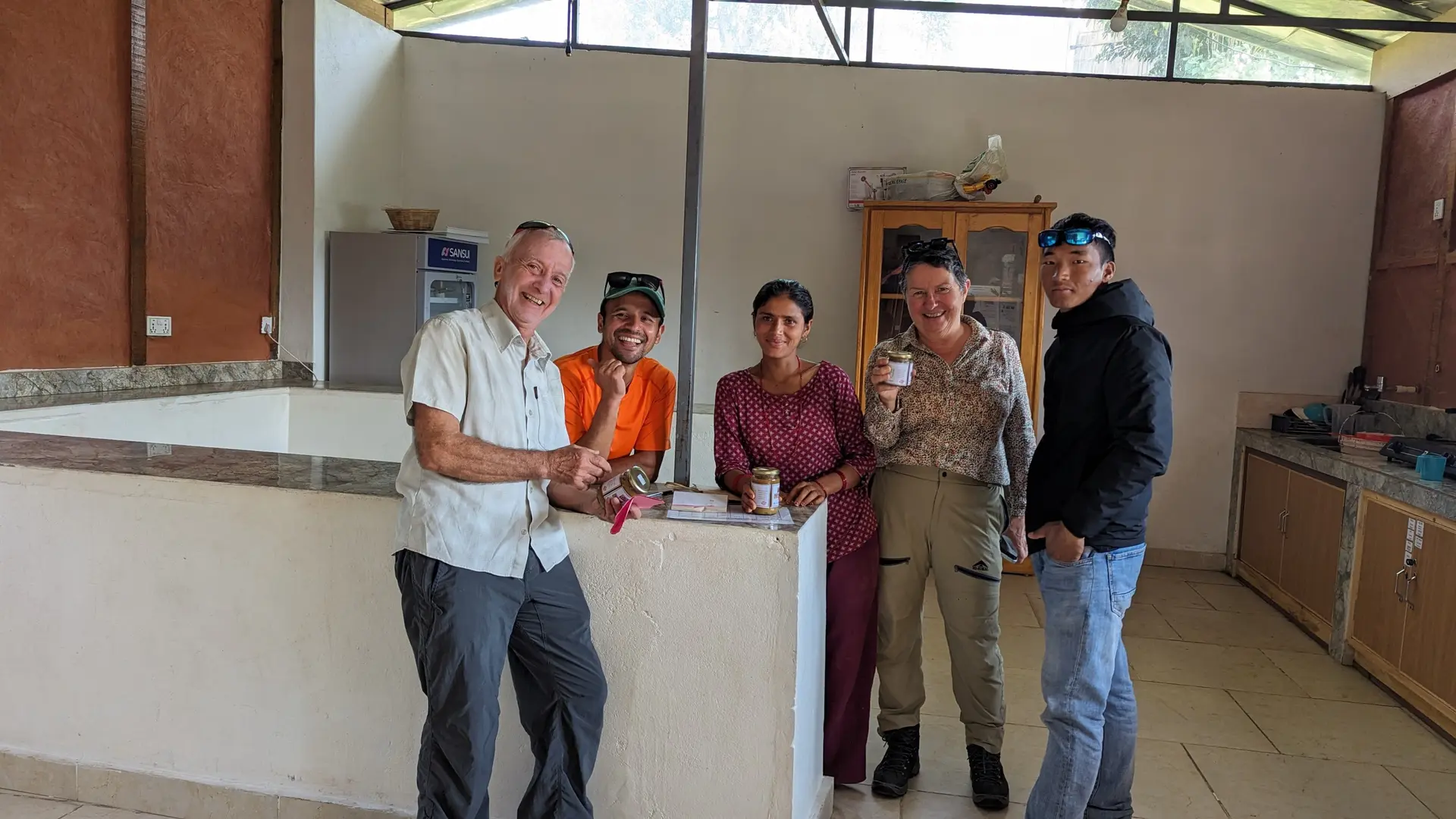
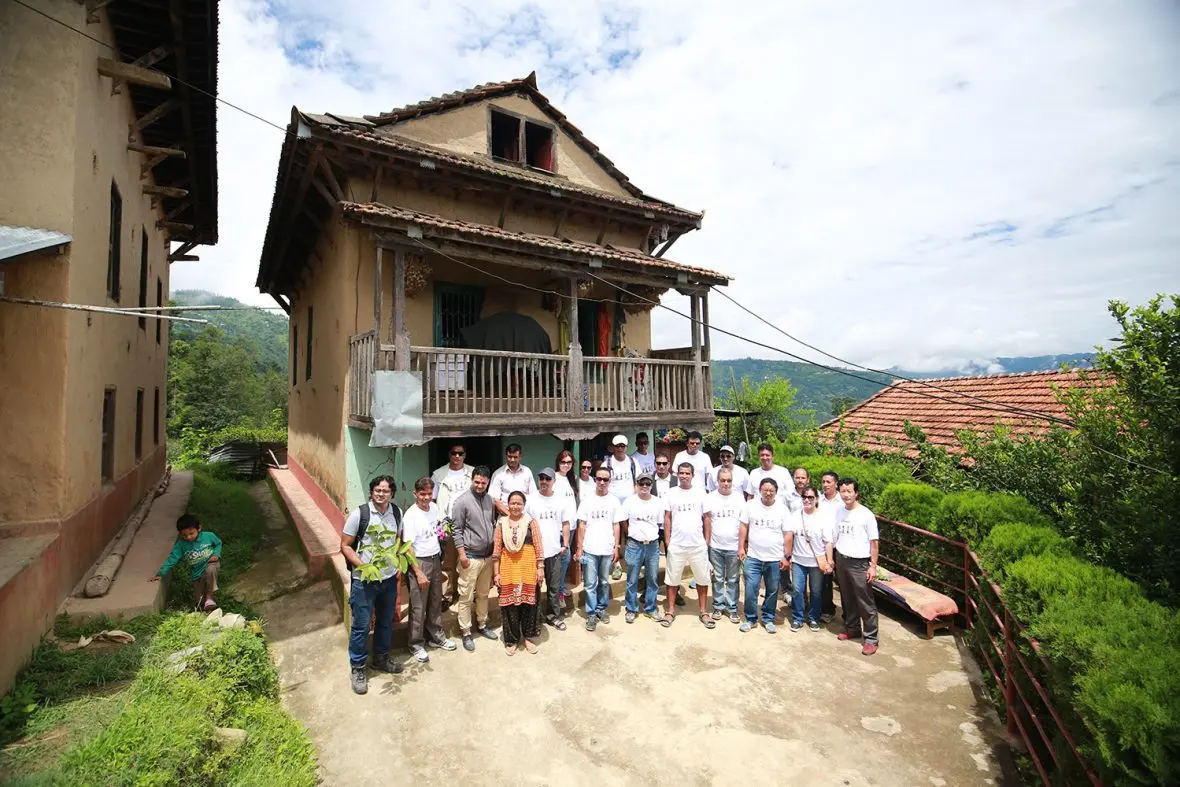
Guests are welcomed into a mix of traditional Gurung mud-wood-houses and semi-modern homes, each offering the basic facilities you can expect in a rural Nepali setting. Rooms are clean, simple, and comforting, with hosts ensuring warmth and hospitality throughout your stay. Home-cooked meals, prepared with fresh produce from the fields, add to the experience, letting you taste the true flavors of the village while enjoying its serene mountain charm.
Activities and Experiences
The community offers enriching experiences that blend nature, culture, and everyday life:
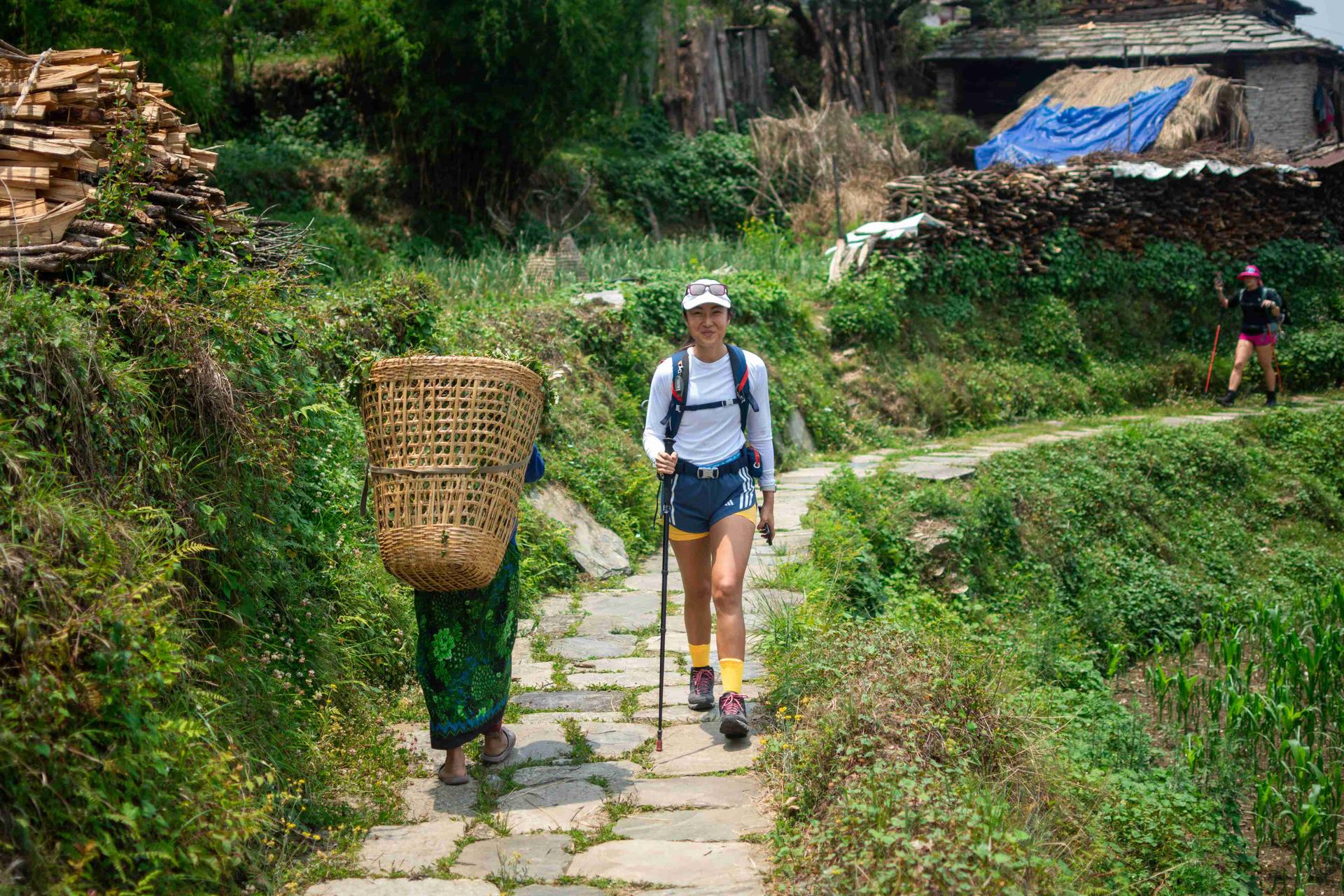
Hemjakot to Dhampus Hike – A scenic trek with panoramic views of the Annapurna ranges, perfect for nature enthusiasts.
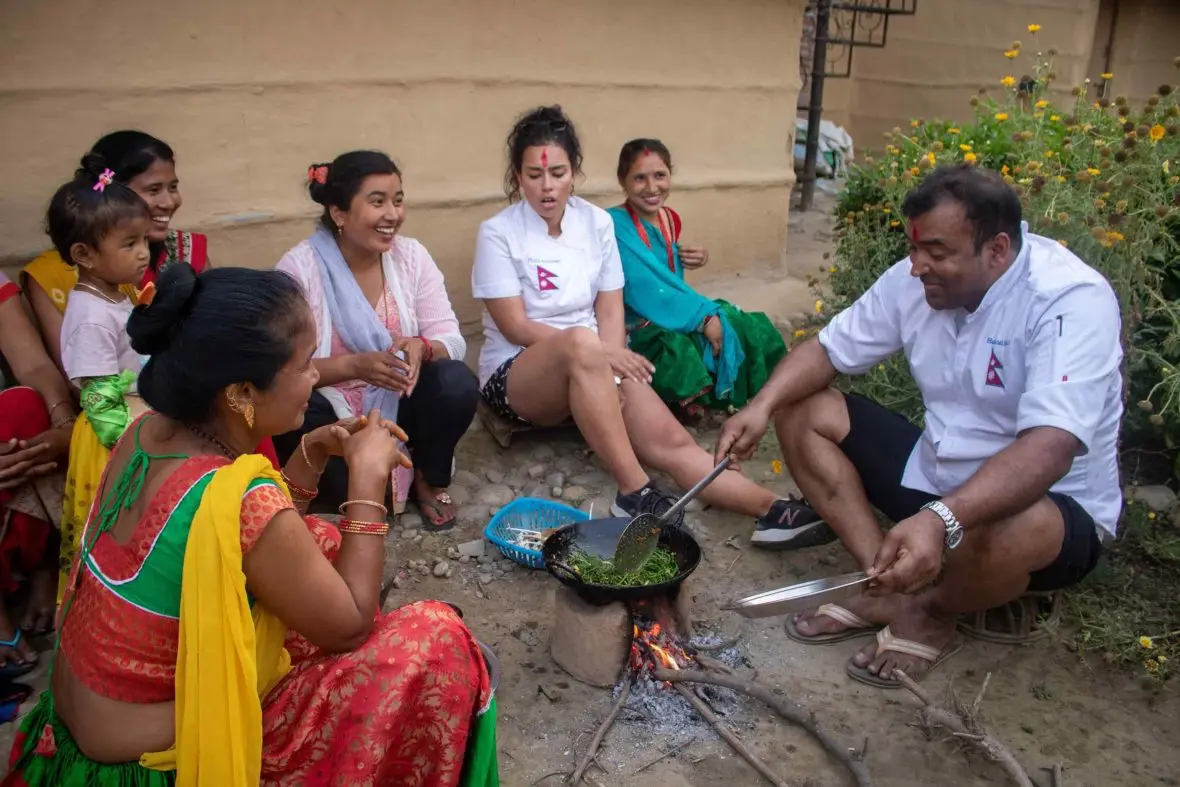
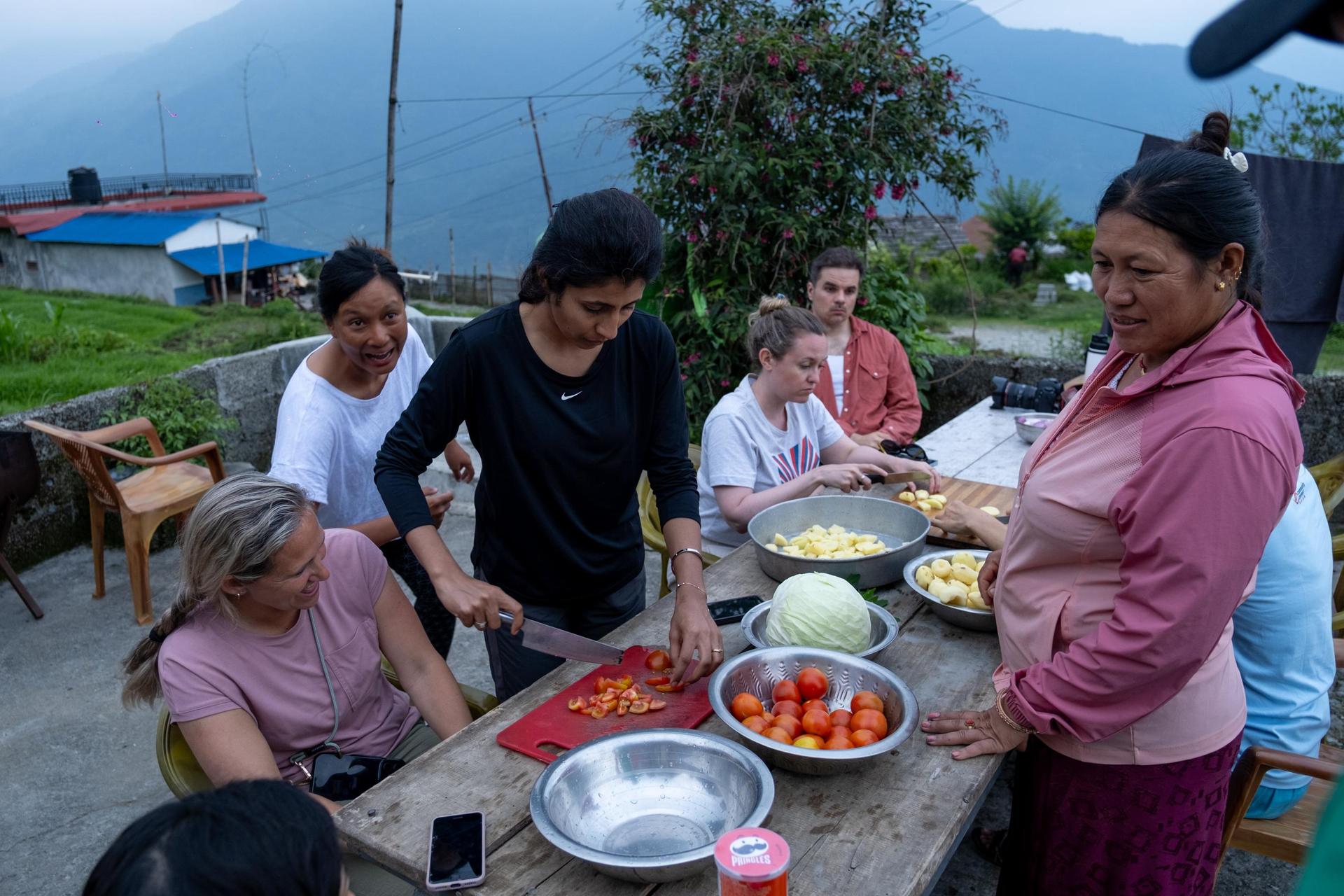
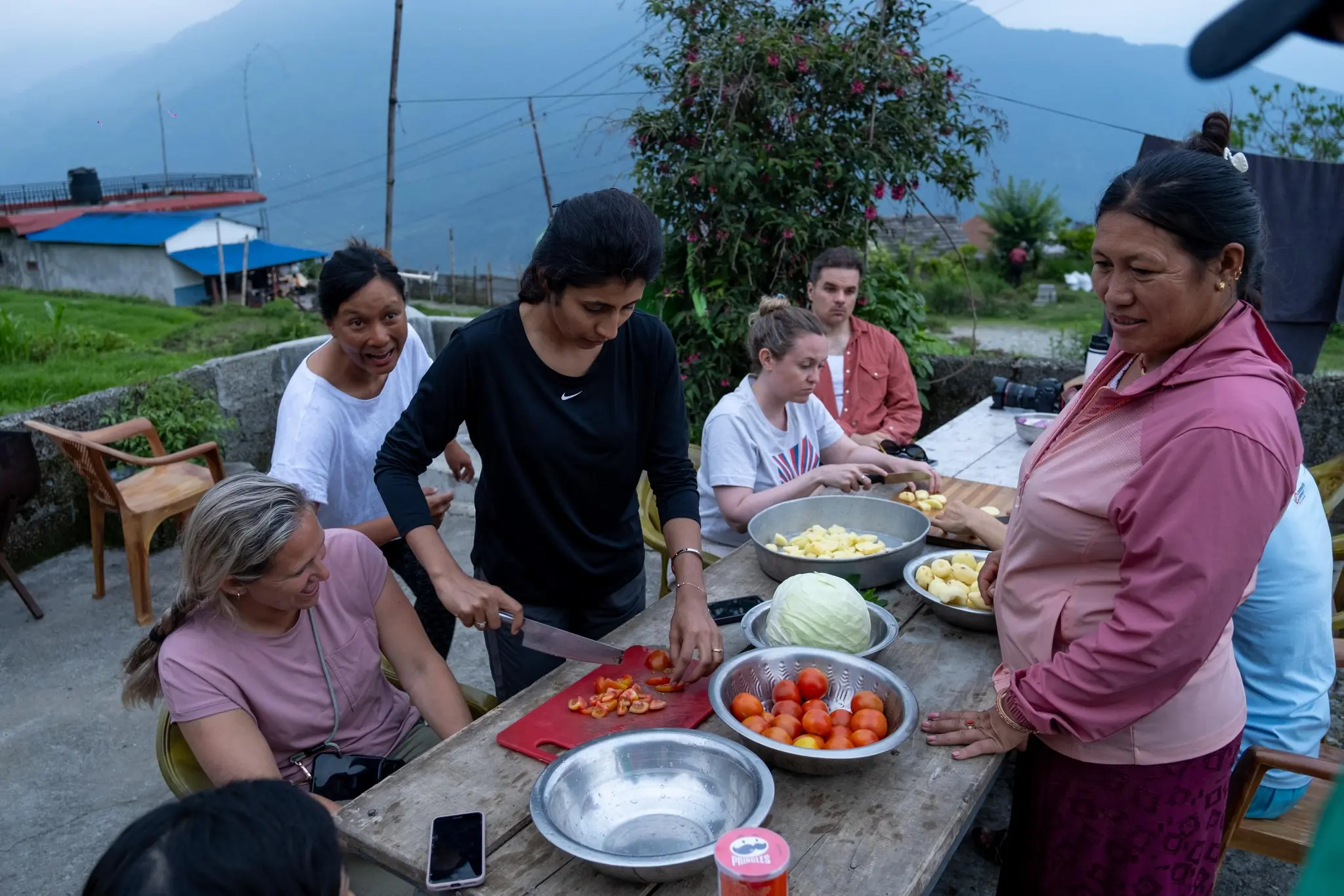
Culinary Delights – Learn how traditional Nepali meals are prepared, enjoy fresh produce, and, if the season permits, experience the local alcohol-making process.
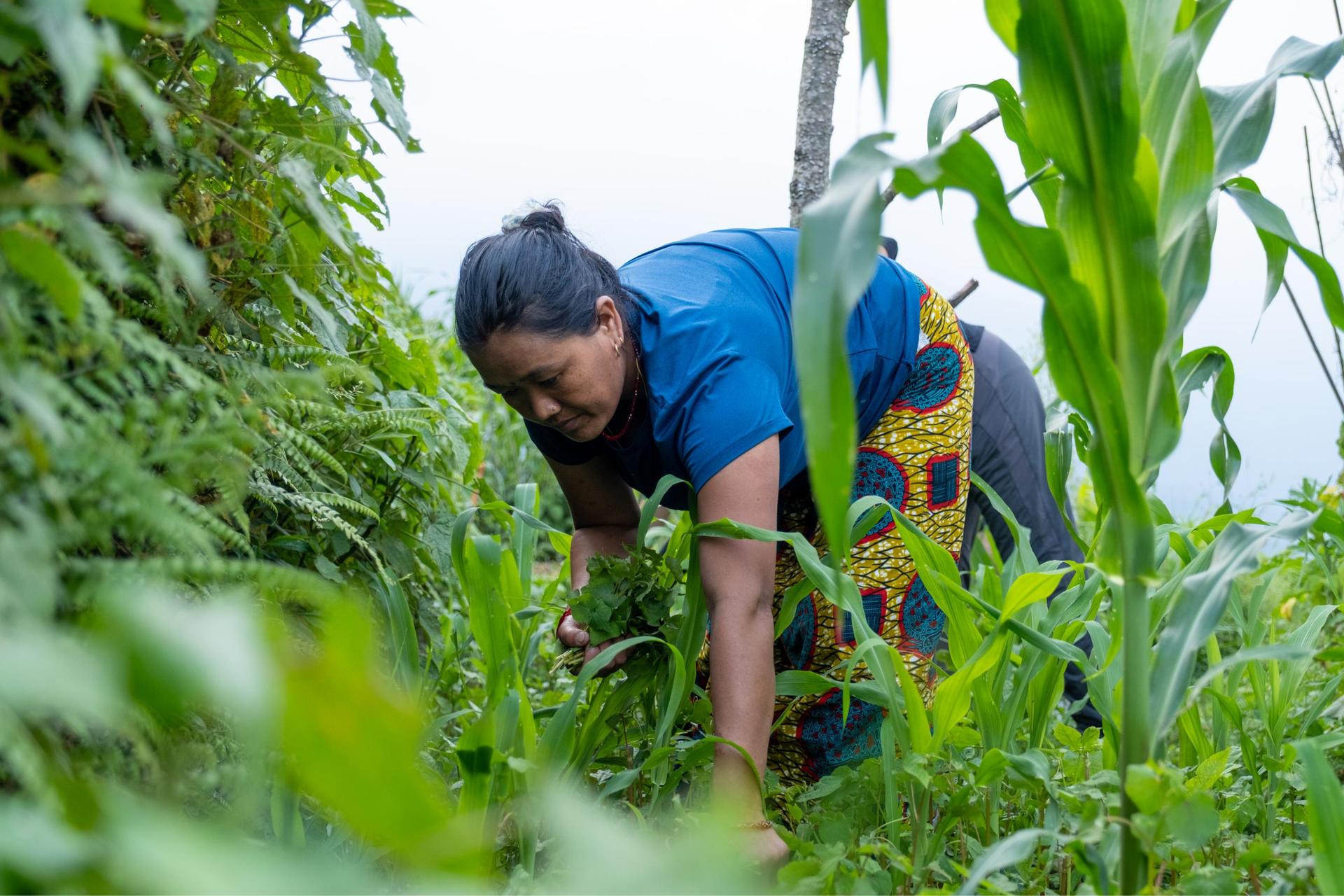
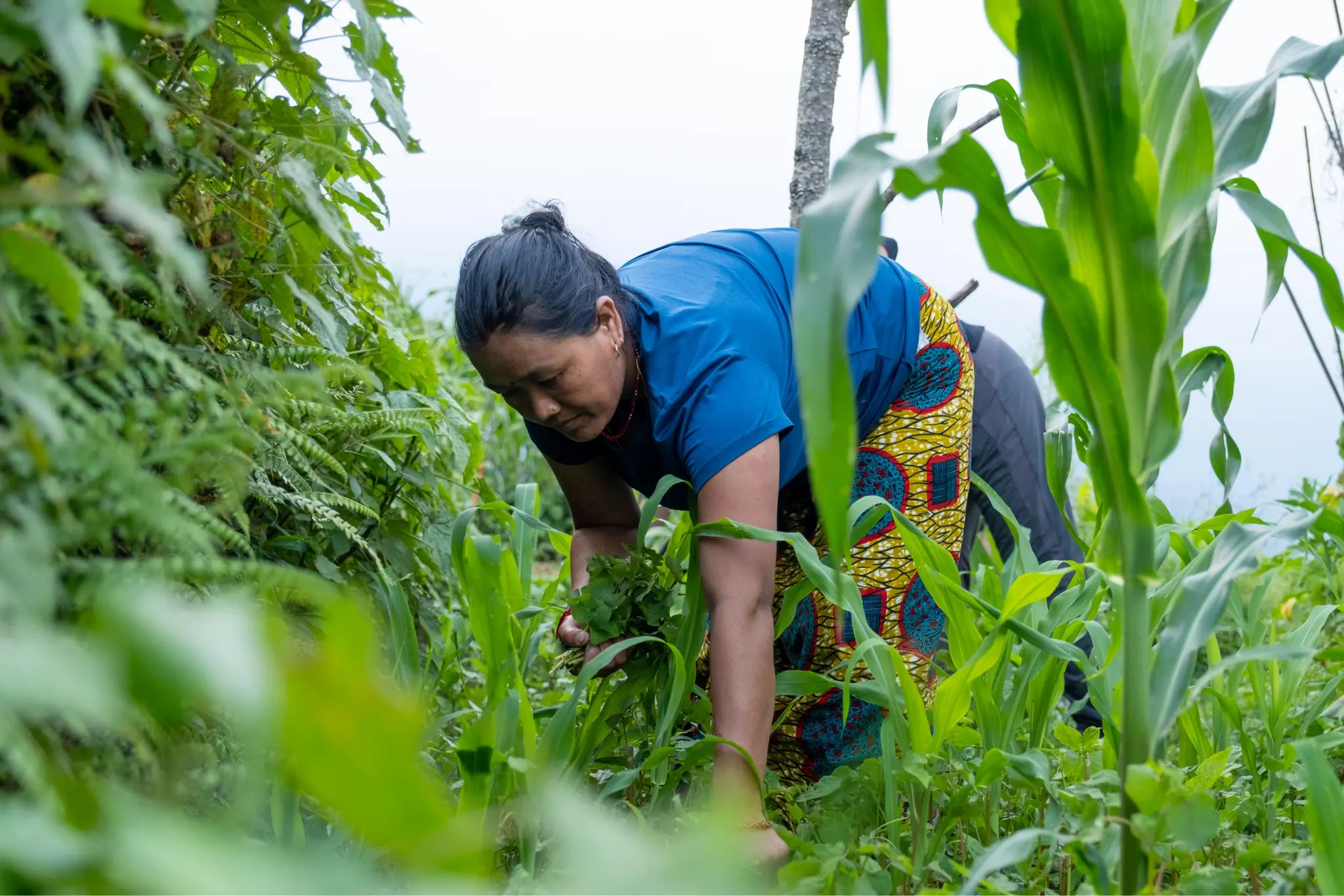
Seasonal Farming Activities – Join villagers in planting, harvesting, or tending fields, experiencing firsthand the rhythm of rural livelihoods.
What You Can Do In and Around the Village
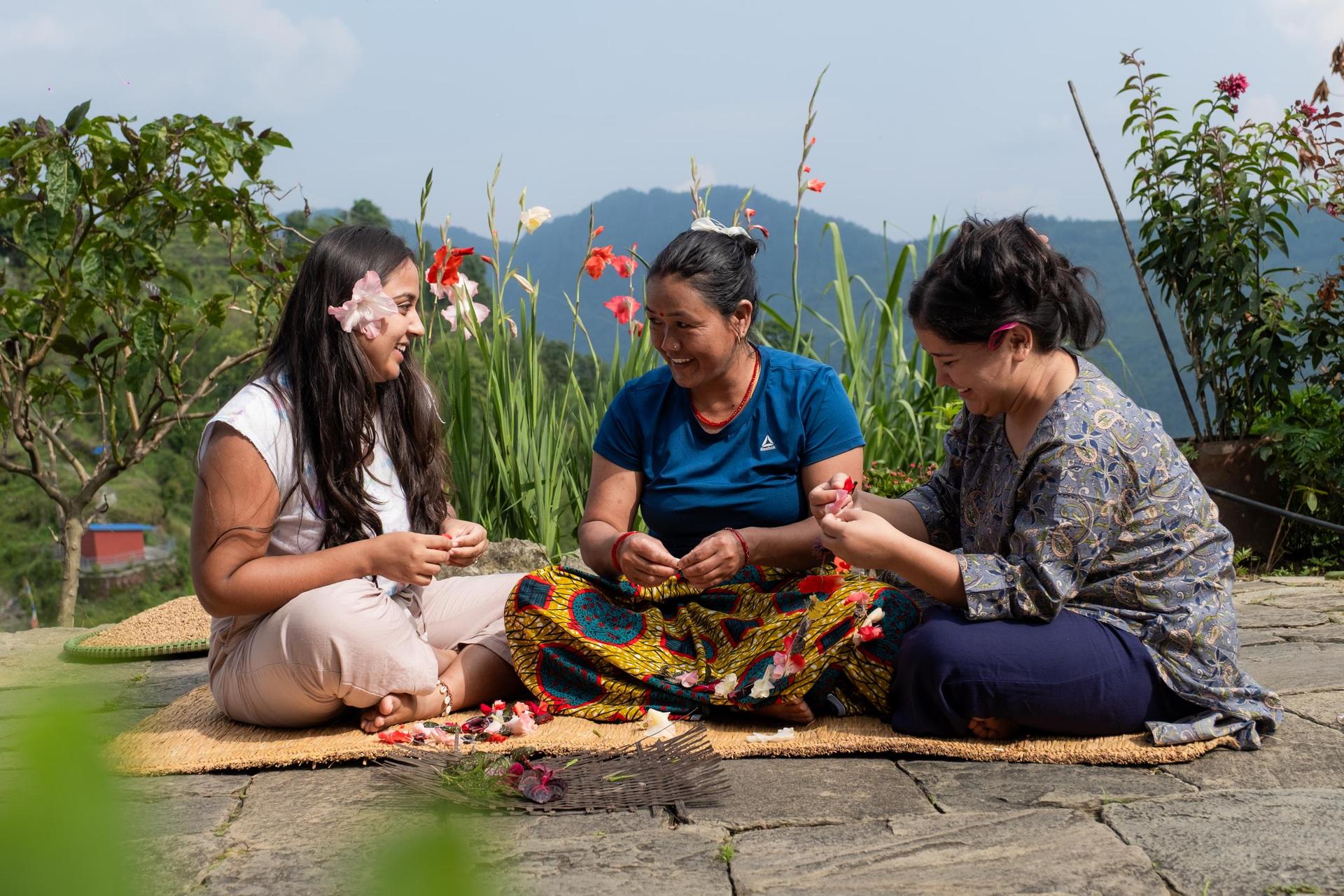
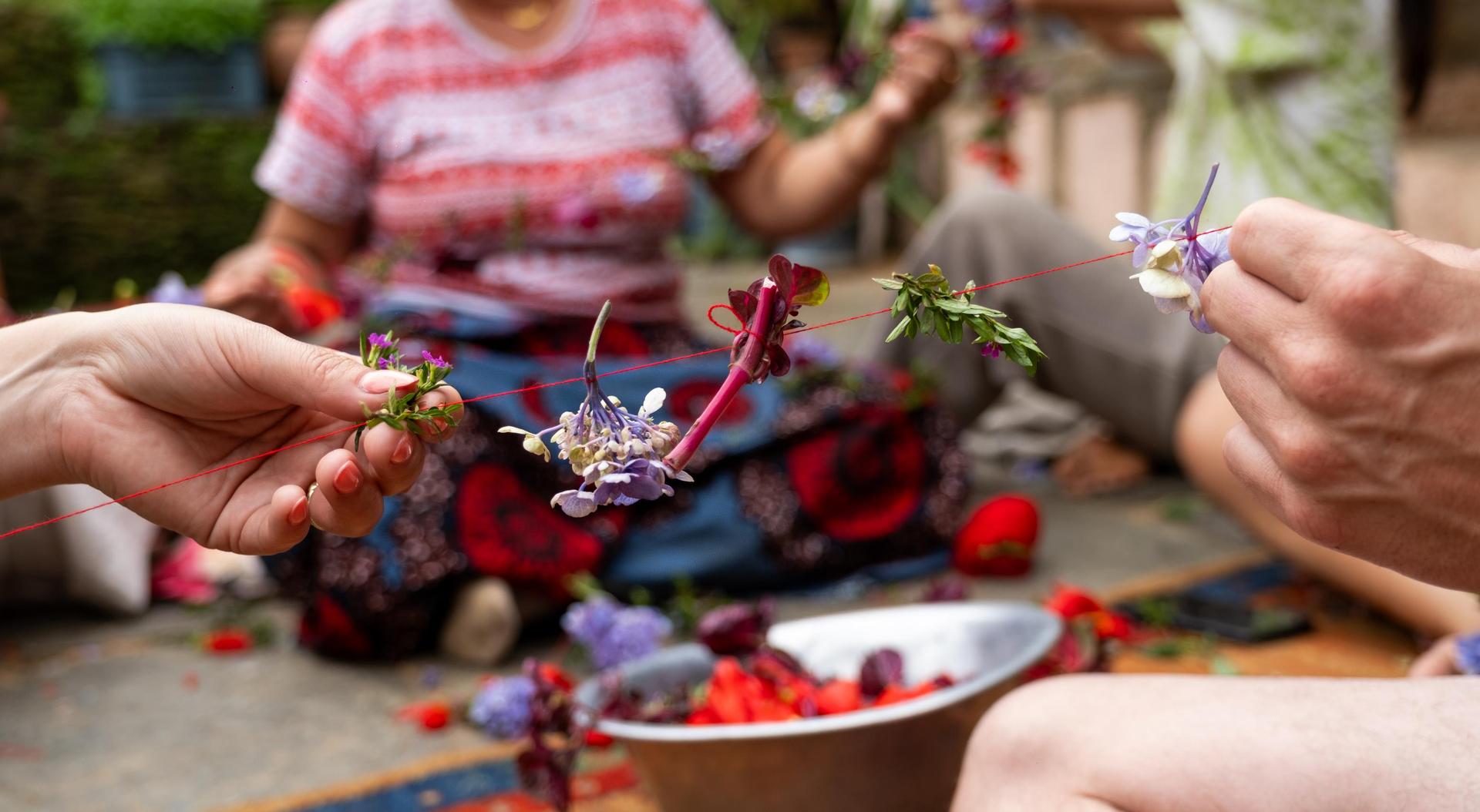
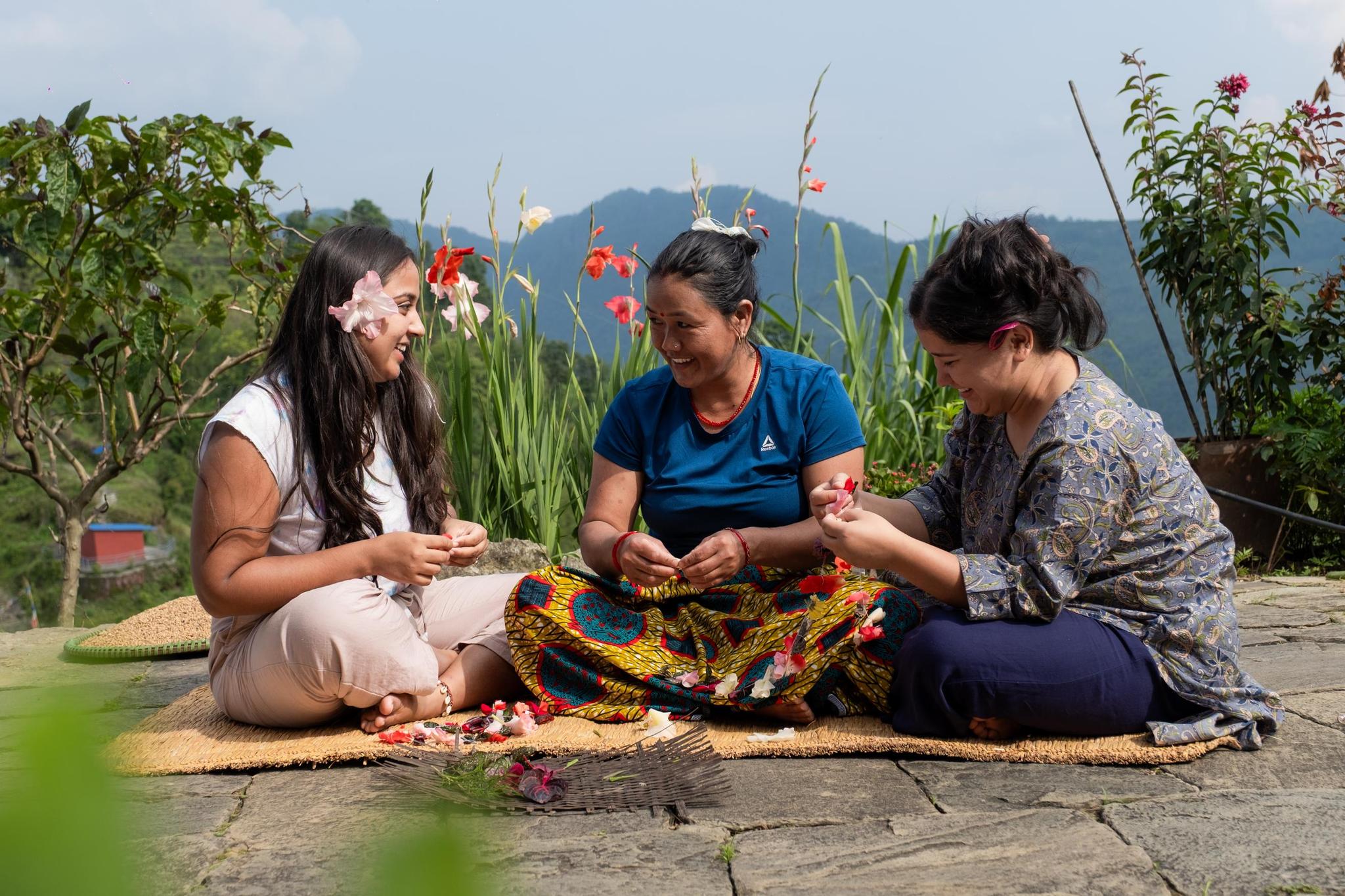
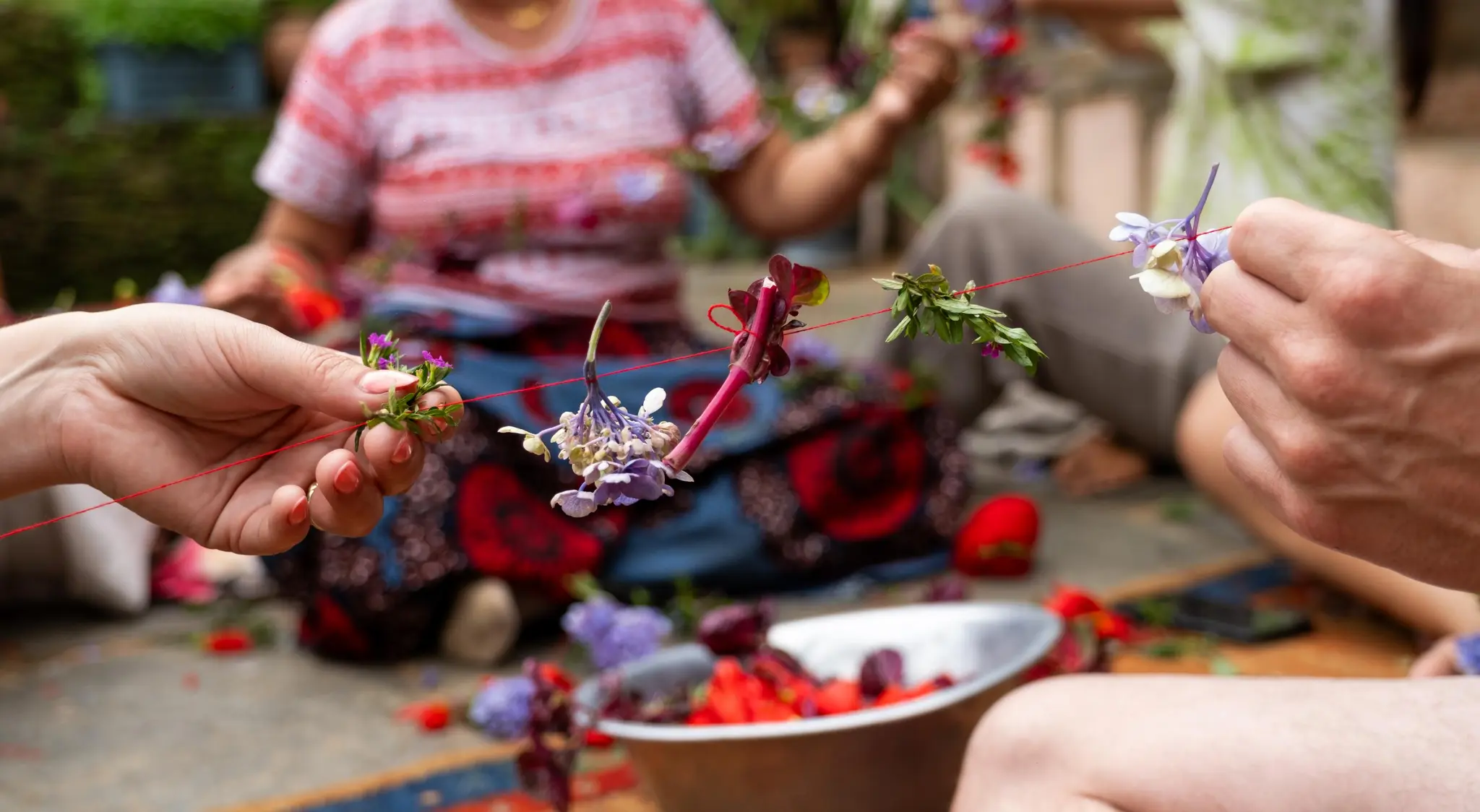
Hemjakot offers a chance to slow down, reconnect with nature, and experience life as the community lives it. Visitors can enjoy the tranquility and serenity of the village, go for a scenic hike to Dhampus, or simply join in the unhurried rhythm of daily life. Whether it’s helping in the fields, cooking local food alongside your hosts, or walking through terraced landscapes at sunrise, each moment connects you more deeply with the people and the land. Immersing yourself in these simple yet meaningful experiences allows you to live the village’s story, not just witness it.
Why Hemjakot?
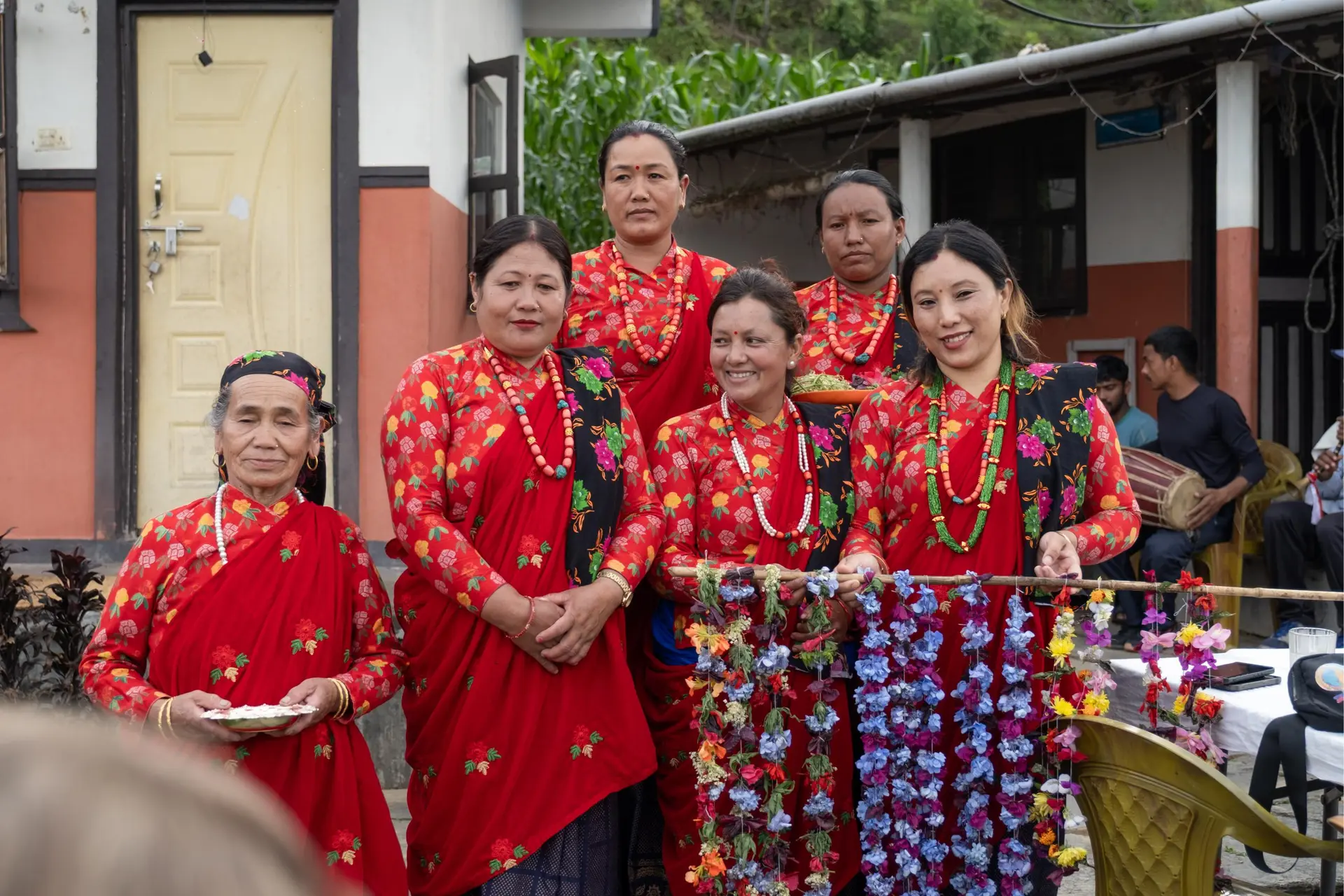
Hemjakot is not far from the bustling city of Pokhara—just a 45-minute escape transports you to a serene village where stunning views of the Annapurna range blend seamlessly with Gurung culture. Community tourism here complements agriculture as an important source of income, offering families an alternative to migration and helping sustain village life. Like much of the Annapurna region, Hemjakot thrives on the opportunities tourism brings, but what makes it special is how the benefits are shared across the whole community—where everyone is like family to one another. Choosing Hemjakot means experiencing the warmth of this collective spirit while contributing to both livelihoods and cultural preservation.
Your Stay, Their Story
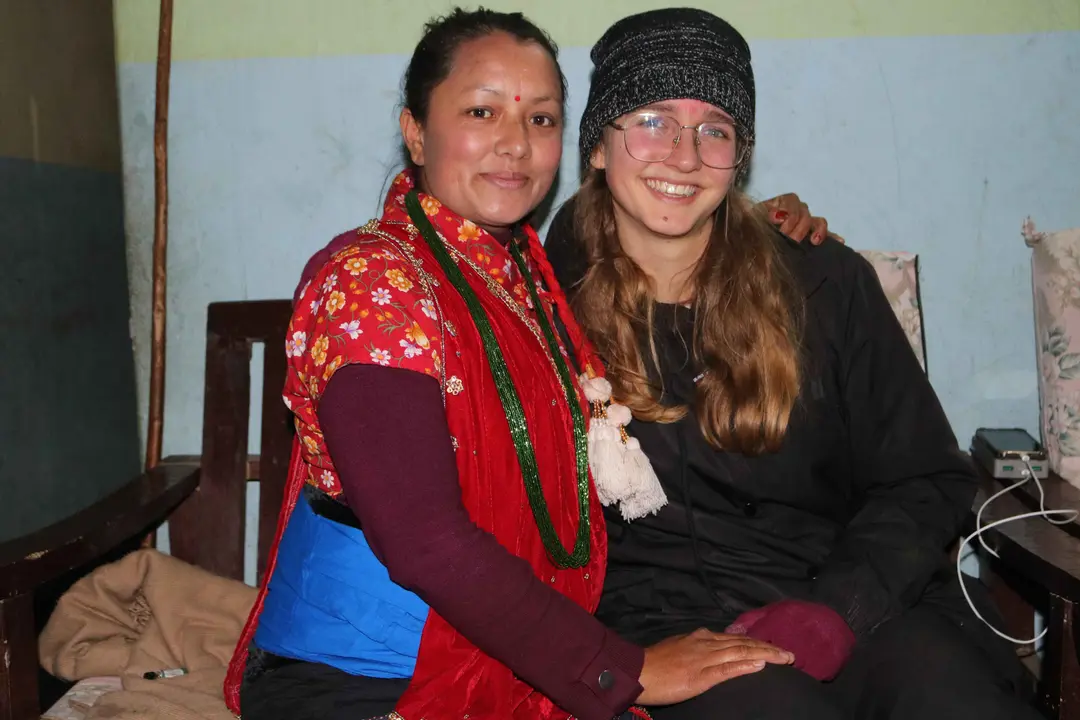
Amidst the increasing migration from Hemjakot, only a few community members remain in the village, carrying the spirit of their home forward through tourism. Without tourism, the village might feel empty, but the laughter and bustle that arrive with domestic and international travelers—brings warmth, energy, and renewed life to the community. What makes Hemjakot unique is the way everyone believes in community tourism. Even with houses scattered across the hills, they come together as one family, sharing both responsibilities and benefits. By staying here, you are helping sustain a village that refuses to fade, where tourism is not just income but a collective hope for revival, resilience, and togetherness.