Overview
Explore the peaceful landscapes of rural Nepal on the Community Hike from Sanga to Panauti, located at an elevation of approximately 1,600 meters (5,249 feet). This moderate hike takes you off the beaten path through scenic countryside, where you can experience authentic Nepali village life. Perfect for those looking to escape the crowds and enjoy the serene beauty of nature, this hike offers a unique opportunity to connect with local communities.
Description
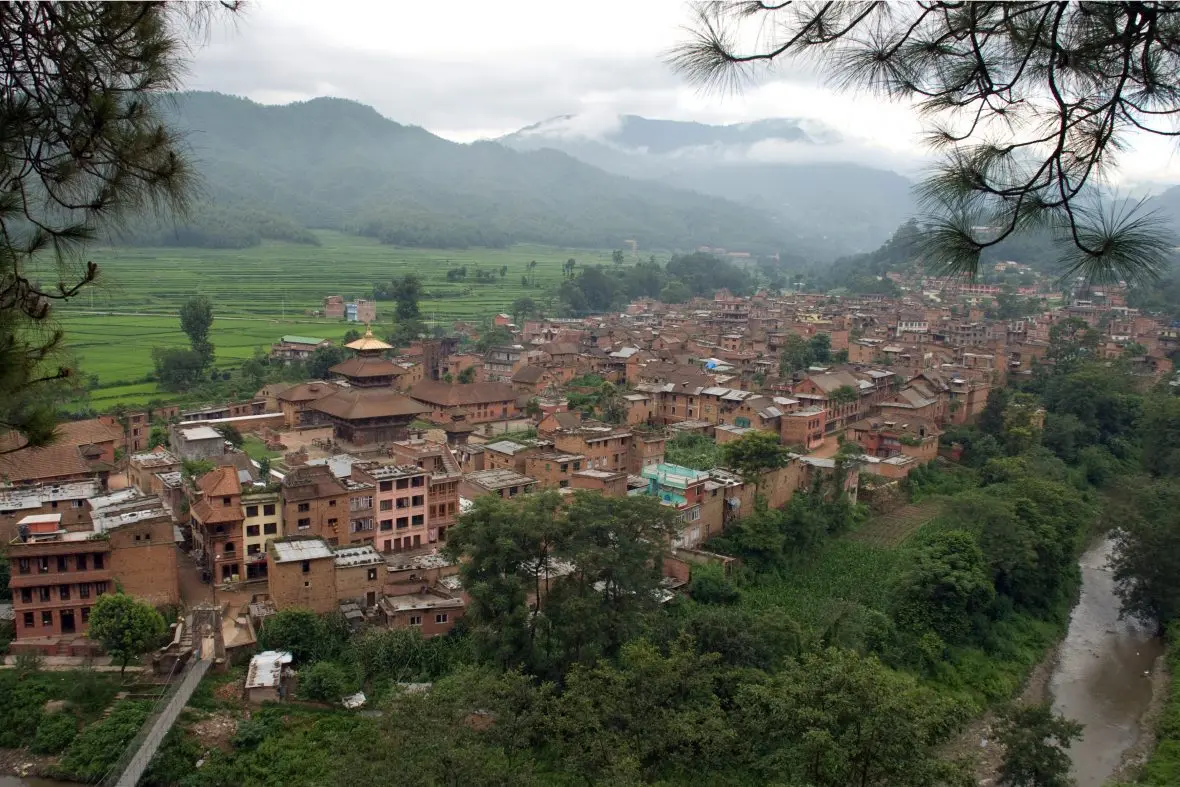
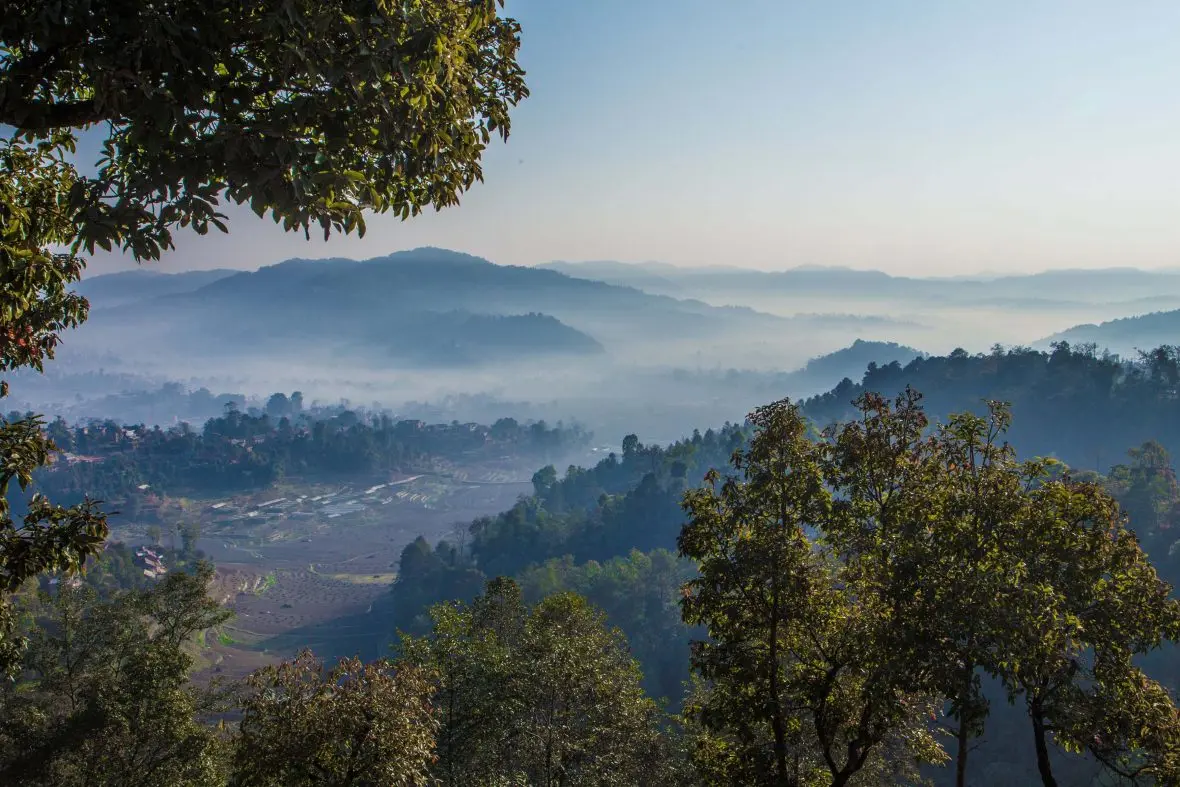
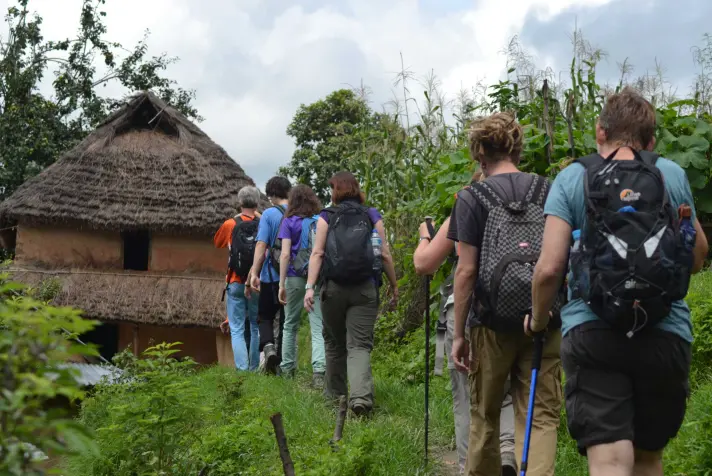
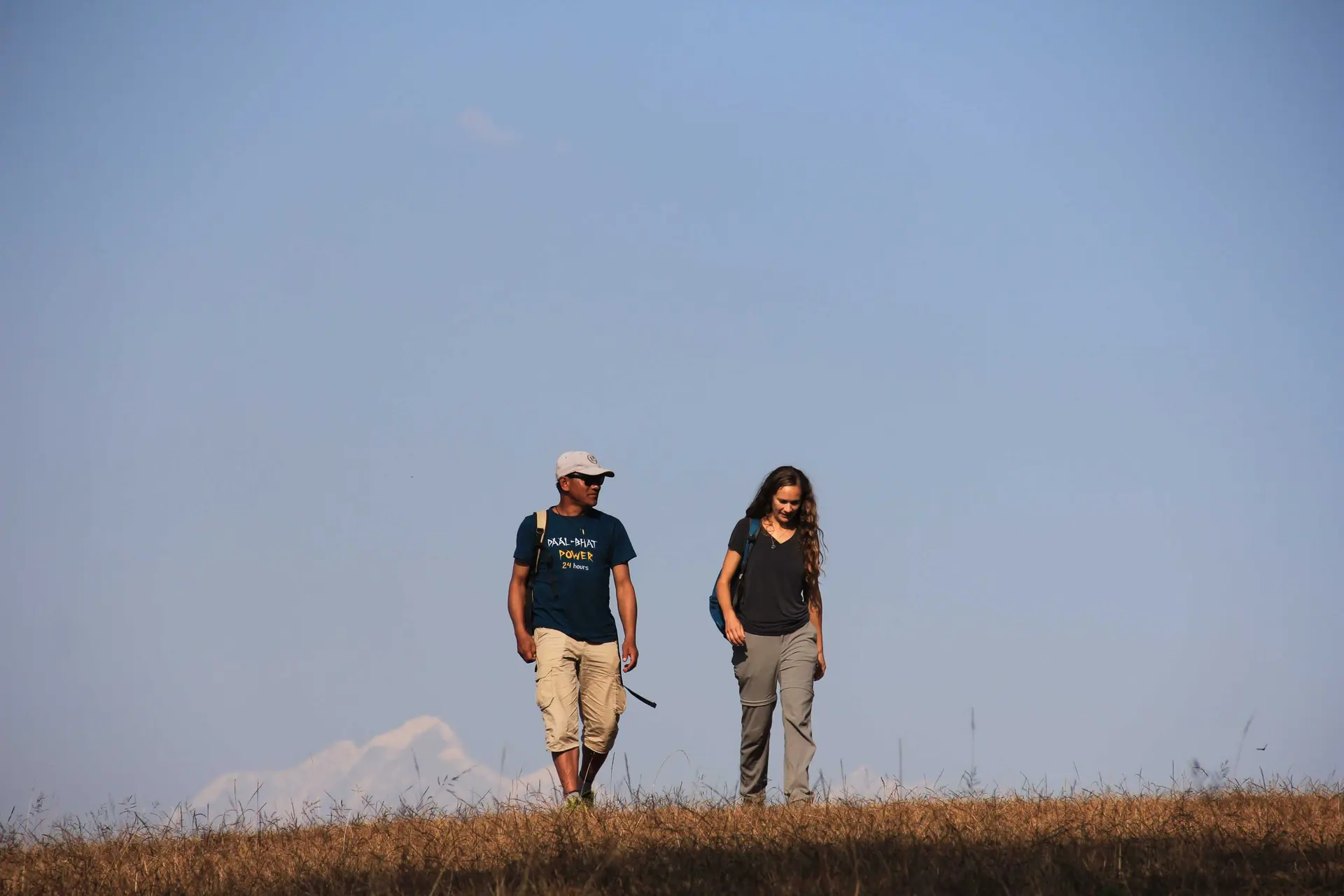
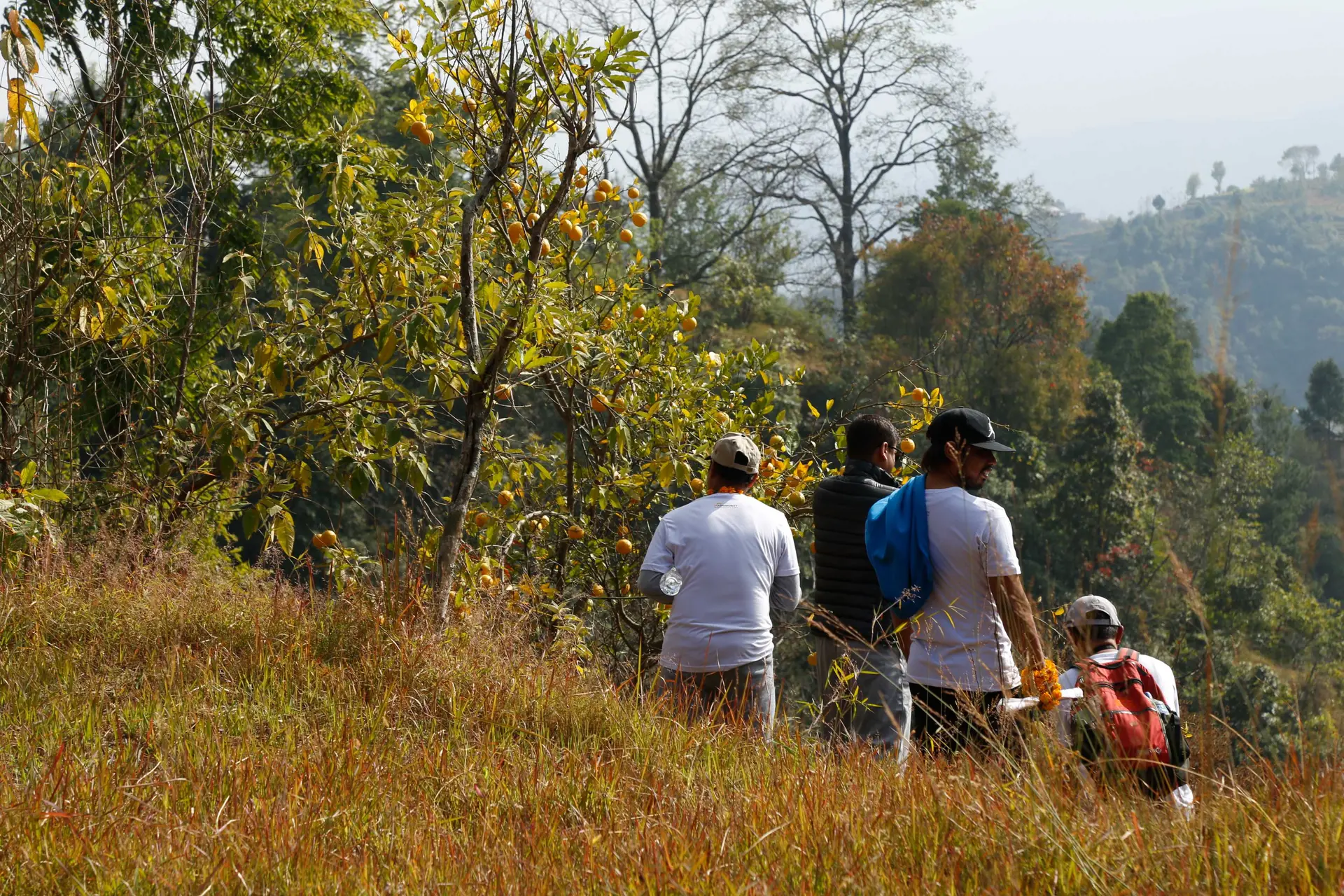
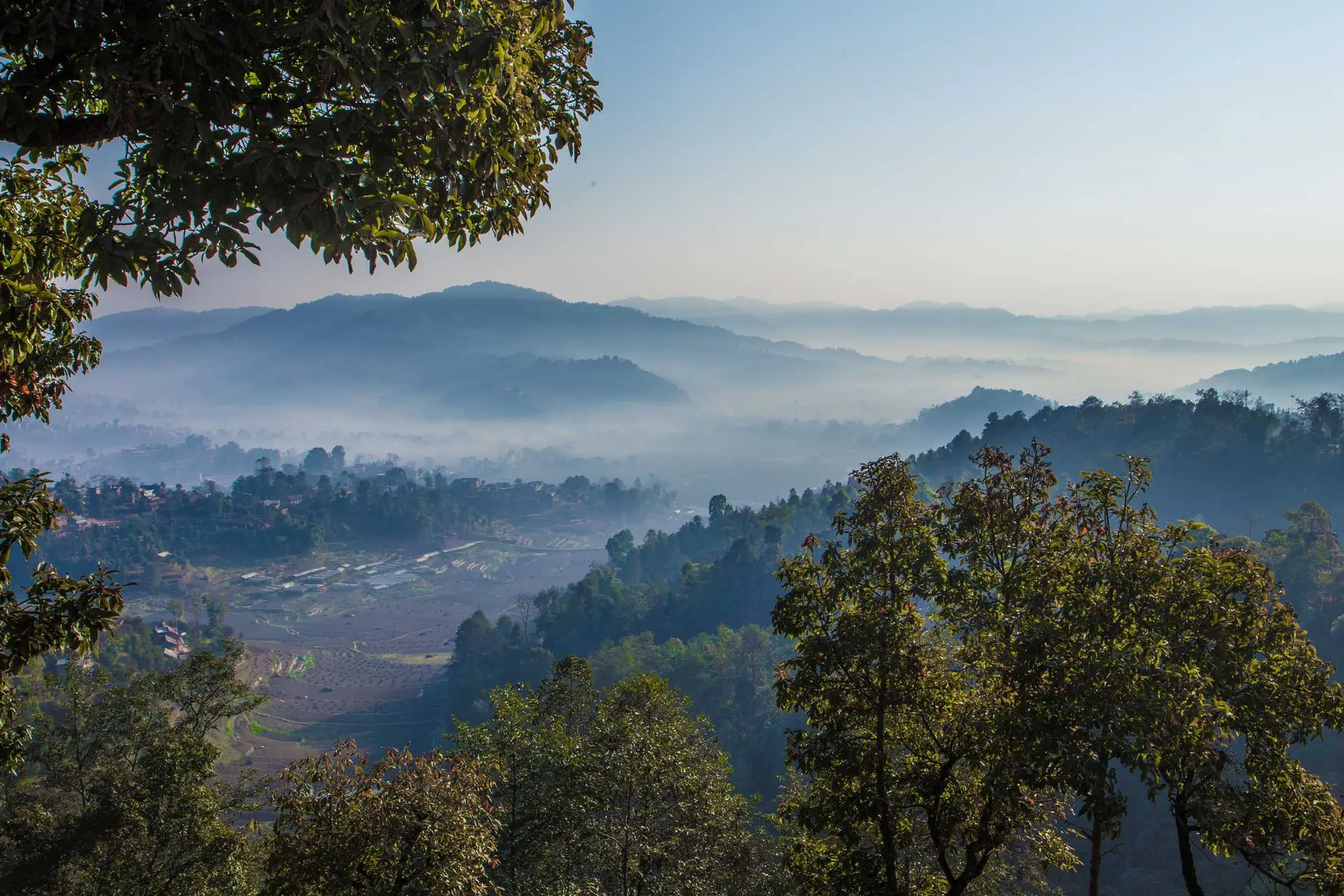
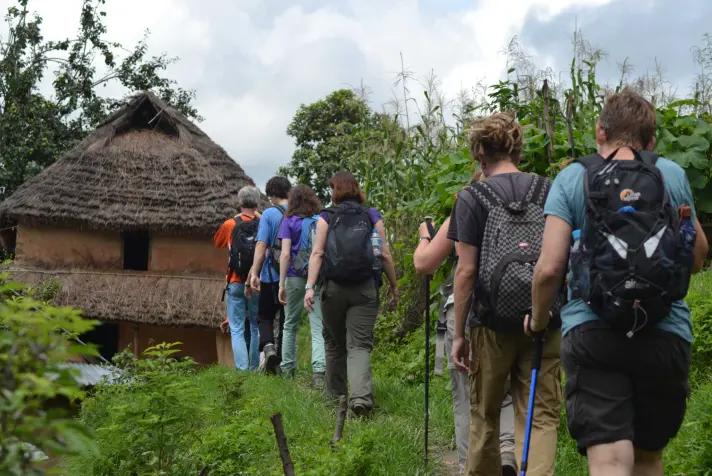
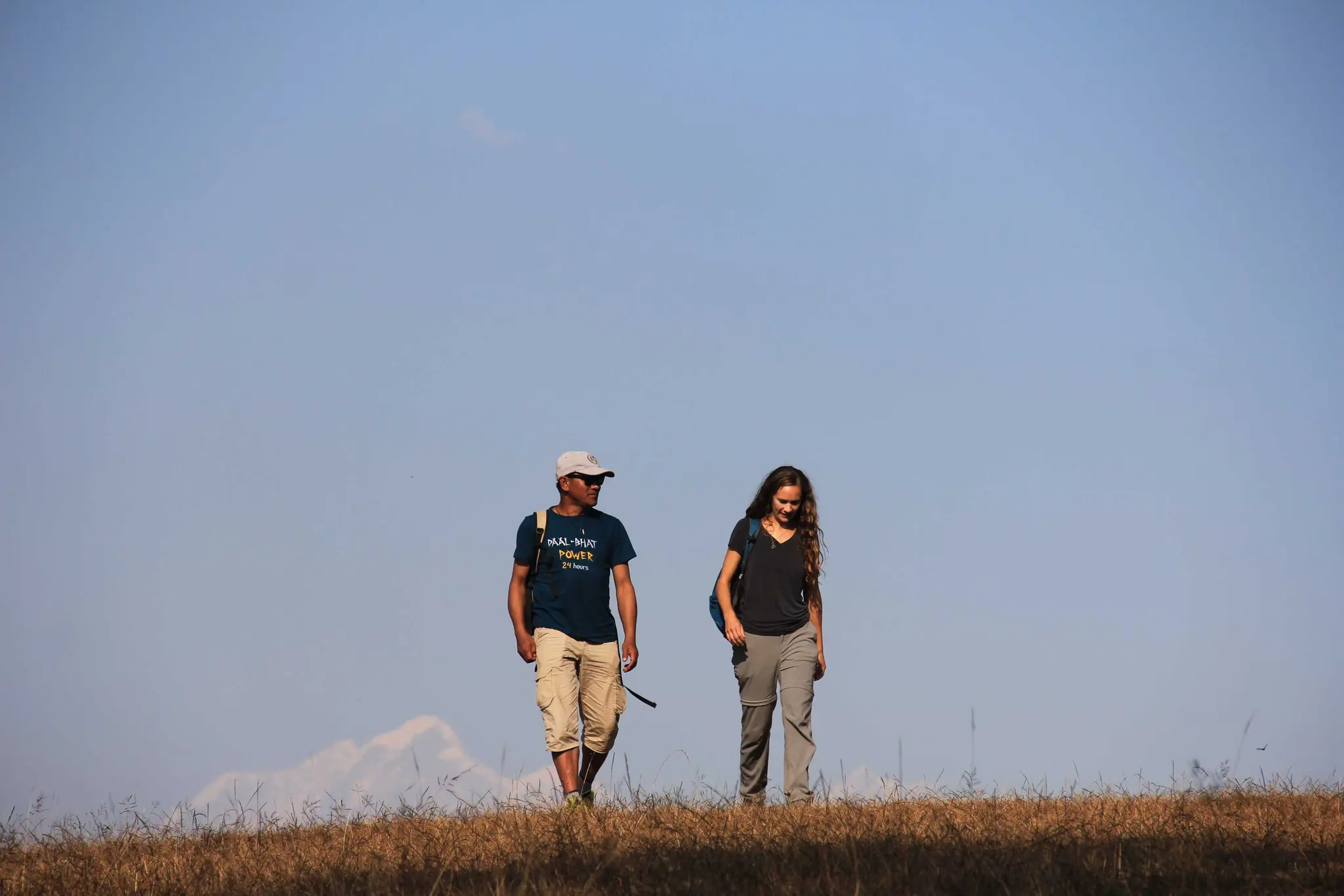
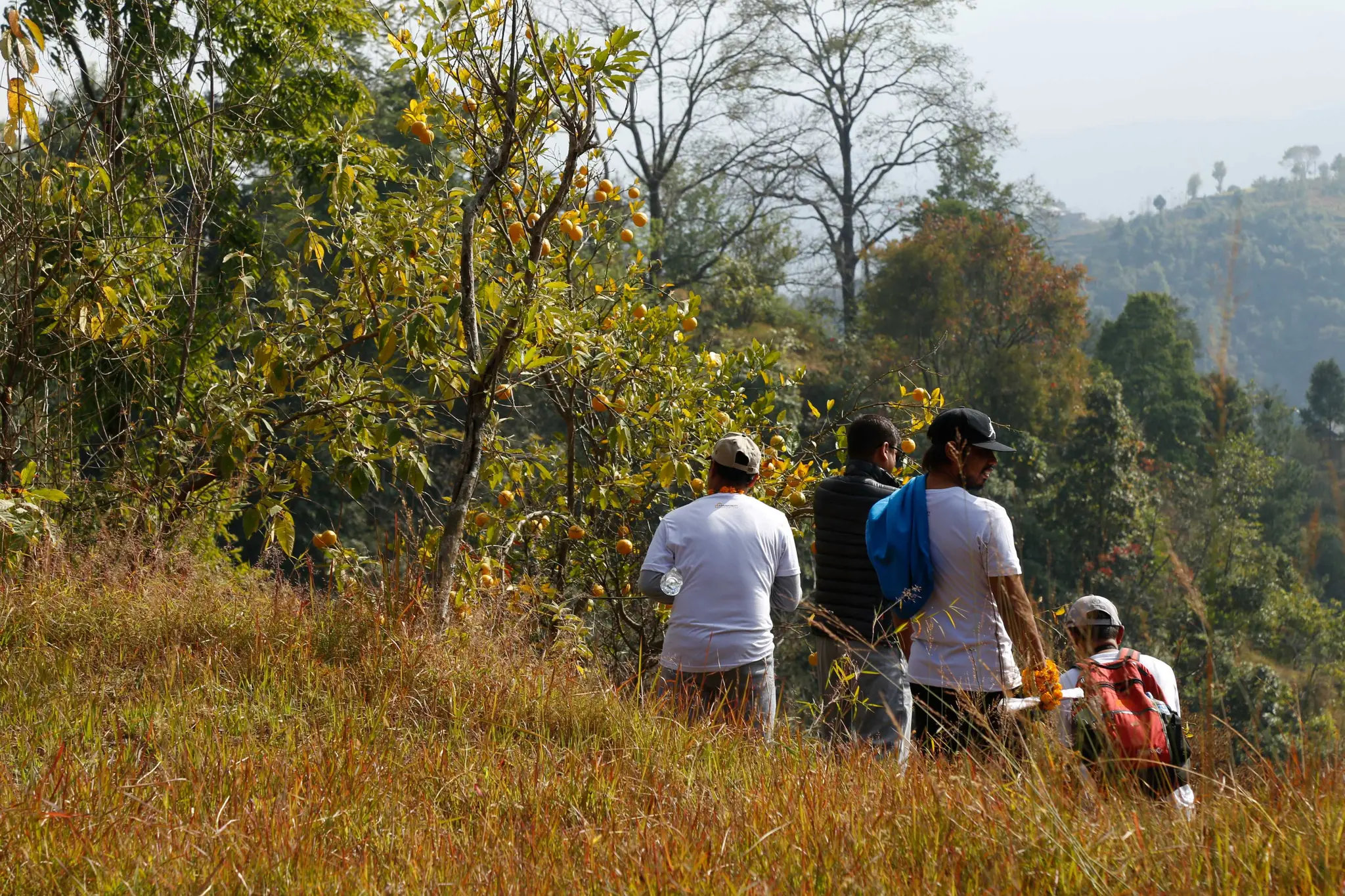
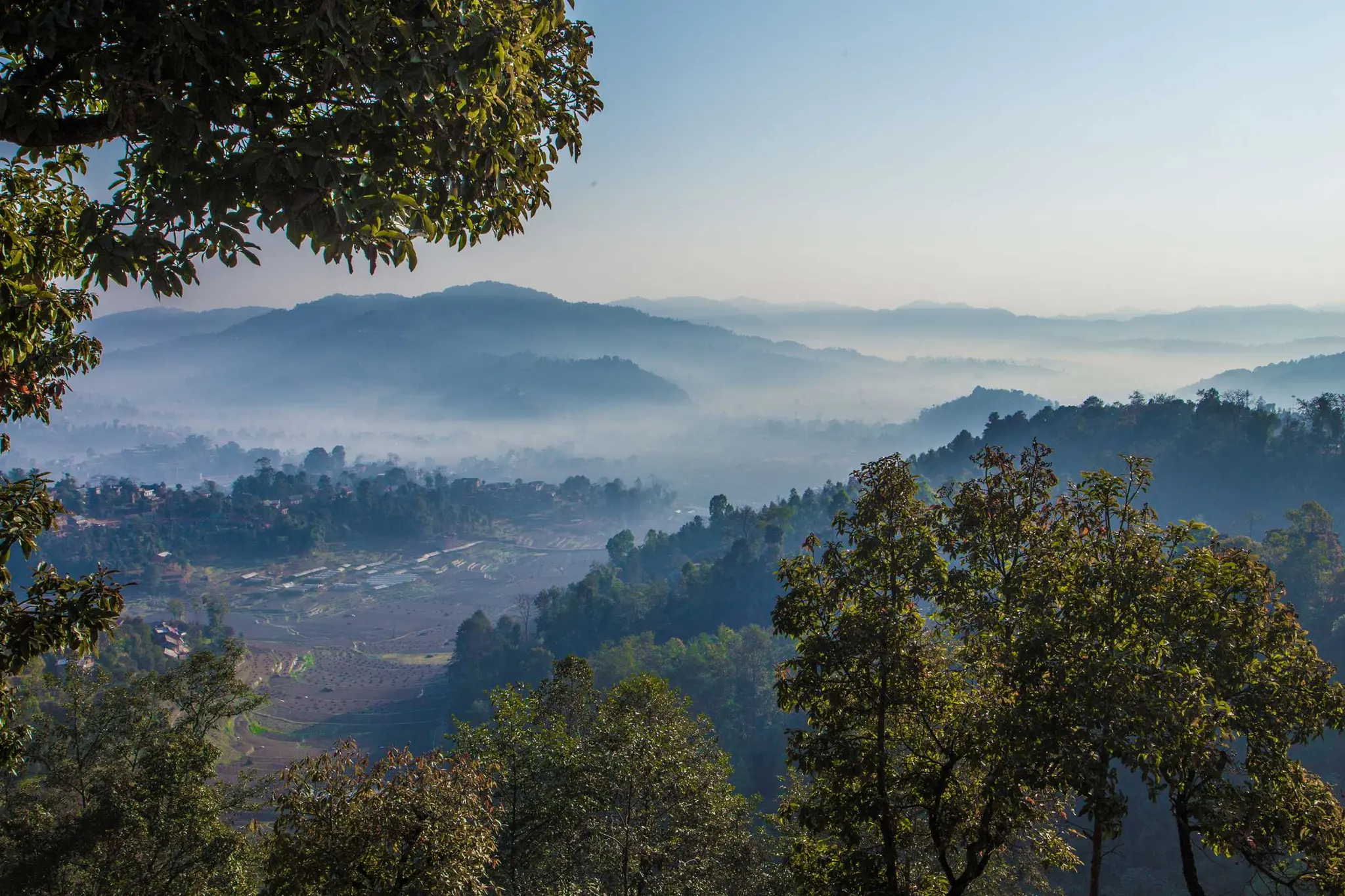
Starting from Sanga, home to the towering Kailashnath Mahadev statue, the trail winds through lush hills, quiet forests, and quaint villages before reaching the historic town of Panauti. Along the way, you’ll enjoy the rich greenery, local wildlife, and occasional views of the distant Himalayas. The hike provides an intimate look at Nepali rural life, with stops at community villages where you'll observe traditional farming and possibly interact with residents.
Starting Point: Sanga
Ending Point: Panauti
Meeting Point: Sanga
Duration: 3-4 hours
Activity Level: Moderate
Ideal Time / Season: Summer: Best in the morning / Winter & Autumn: Day hikes are ideal / Rainy Season: Not recommended
Inclusion
Fluent English-speaking guide
Private transportation from Kathmandu to Sanga and from Panauti to Kathmandu
Lunch
Exclusion
Entrance and monument fees
Tips and gratuities
Any other services not specified
Language Proficiency
Fluent English-speaking guide
Language Proficiency and Guide Availability
Our guides are fluent in English, ensuring effective communication and a rich understanding of the region. To maintain a quality experience, we provide one guide for every eight participants.
What to Expect
This hike is perfect for those who want to immerse themselves in nature and community life. The trail is less crowded and takes you through rural areas where you can observe the local way of life. Expect stunning natural views and a peaceful atmosphere away from tourist-heavy areas.
Additional Information
Hiking shoes and a water bottle are necessary for the hike. The trail is registered under provincial and local government regulations to ensure safety and environmental preservation.
Breakfast / Snacks / Lunch: Lunch is included
Additional Costs
Entrance fees and surcharges at monuments, tips, and gratuities are not included.